


Losing weight is not about willpower or perfect rules. It is about steady habits that you can repeat on busy weeks, stressful weeks, and normal weeks. A safe pace for most adults is about 1 to 2 pounds per week. Faster loss can happen early, but it often comes with more hunger and a higher chance of rebound eating.
The main goal is fat loss while keeping muscle. That usually means a small calorie deficit, enough protein and fiber to stay full, strength training to protect muscle, good sleep, and patience. The plan should feel calm and workable, not punishing.
https://www.youtube.com/watch?v=9UxKXogrcQs
Start with the basics: energy balance, realistic goals, and a simple plan you can follow
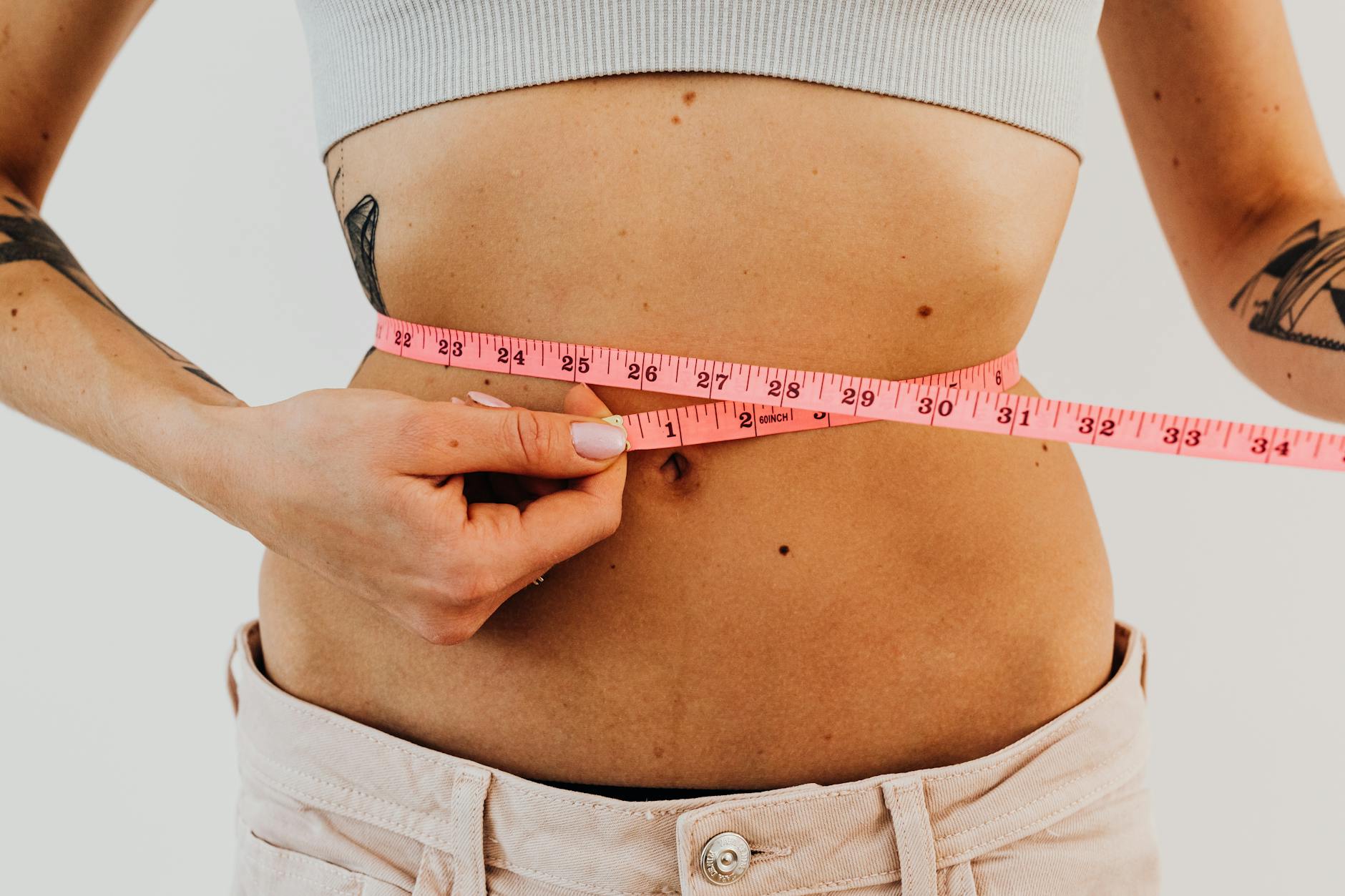
Photo by Karolina Grabowska www.kaboompics.com

Weight loss follows a plain rule: you lose weight when, over time, you eat a bit less energy than you burn. Your body covers the gap by using stored energy, including body fat. You do not need a “perfect” metabolism for this to work, but you do need consistency.
Set goals that describe actions, not just outcomes. A SMART goal is specific, measurable, realistic, and time-bound. For example, “Lose 20 pounds” is vague. “Walk 25 minutes after dinner on Monday, Wednesday, and Friday for the next 2 weeks” is clear and easier to keep. Another strong option is, “Eat a protein-based breakfast 5 days this week.”
Progress is rarely smooth. A normal week might show a 0.5 to 1.5 pound change on average, with daily swings that mean nothing. Extreme cuts often backfire because hunger rises, energy drops, and you start chasing quick fixes. A modest deficit is boring, but it works. The CDC’s guidance on steps for losing weight aligns with that steady approach, with focus on food quality, activity, and habits you can maintain.
January 2026 guidance in many clinical settings also emphasizes personalized plans. For people with obesity or weight-related health risks, clinician-guided options can include structured nutrition support and, in some cases, medications (such as GLP-1 drugs) as part of a broader plan. Habits still matter because medication does not replace protein, movement, and sleep.
How to set a safe calorie deficit without tracking every bite
You can create a small deficit without logging every gram. These methods work because they reduce calories while improving fullness:
- Use smaller portions by default: Serve dinner on a smaller plate, start with one serving, and wait 10 minutes before seconds.
- Cut liquid calories most days: Choose water, unsweetened tea, or black coffee, save sweet drinks for planned occasions.
- Cook at home more often: Home meals make portions and added fats easier to control.
- Plan snacks on purpose: A snack is fine, but decide what it is (like yogurt or fruit), not whatever is closest.
- Keep a steady meal schedule: Skipping meals can lead to larger, less controlled eating later.
Tracking apps can help some people see patterns fast, but they are optional. If logging makes you anxious or rigid, skip it and focus on repeatable habits.
What “steady progress” really means, and how to measure it
Daily scale changes reflect water, sodium, digestion, soreness, and hormones. Look for a trend, not a single number. A simple routine is to weigh 3 to 4 times per week, then take a weekly average. Compare weekly averages over a month.
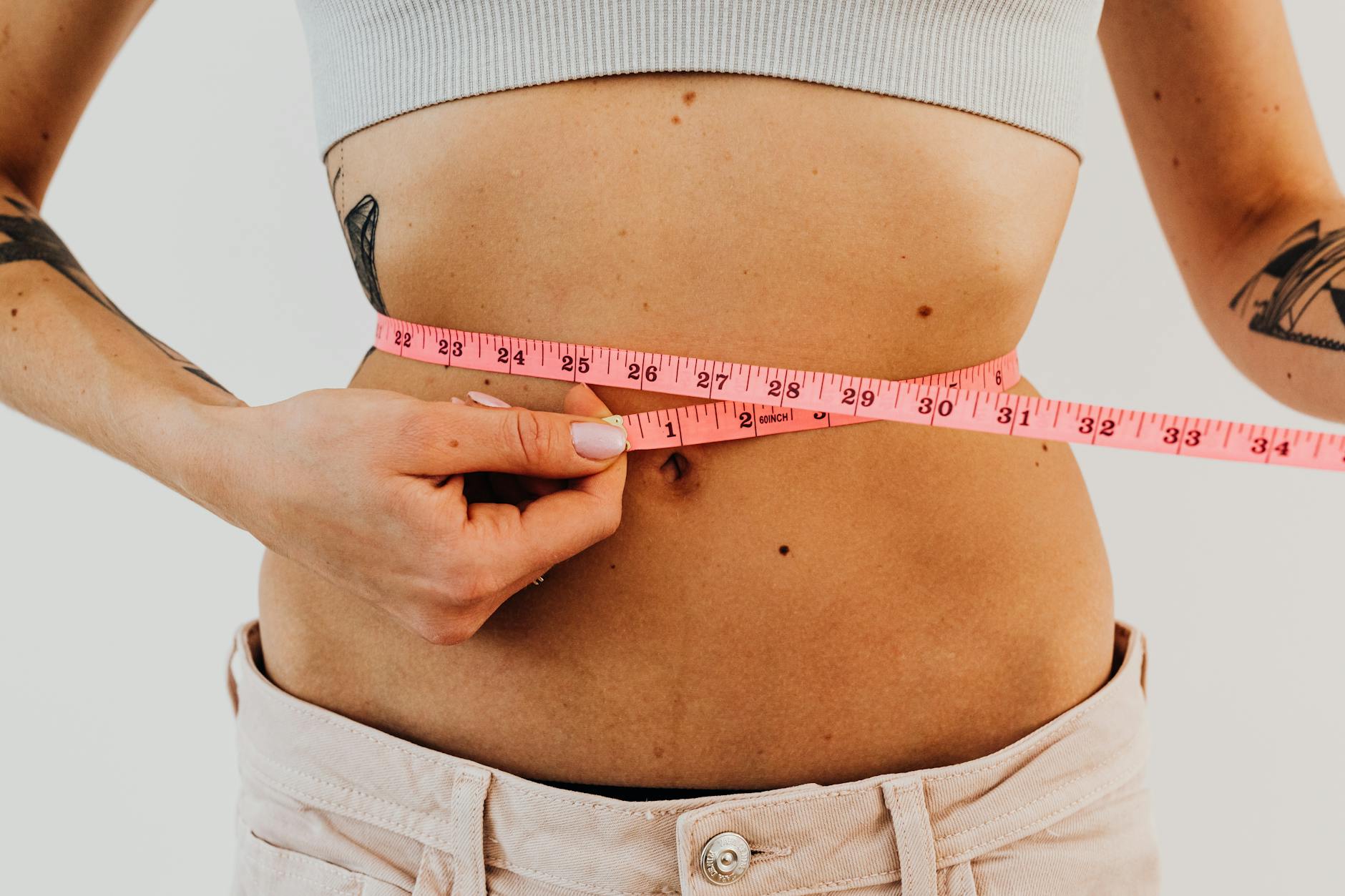
Also measure progress in other ways: waist size, how clothes fit, strength in the gym, and daytime energy. If your waist is smaller and your lifts are rising, you are likely losing fat and keeping muscle, even if the scale is stubborn for a week.
Build meals that keep you full: protein, fiber, and the plate method
Hunger is not a character flaw. If your meals are light on protein and fiber, you will feel hungry, and you will think about food more. The simplest fix is meal structure. Aim for protein at each meal, plus high-fiber plants, and mostly whole foods you enjoy.
Protein supports fullness and helps preserve muscle during weight loss. Fiber slows digestion and adds volume for fewer calories. Together, they make a deficit feel less like a constant battle. The CDC shares practical ideas in its tips for healthy eating for a healthy weight, including simple swaps and portion awareness.
A reliable tool is the plate method. It reduces calories without forcing you to count them, like turning down the volume instead of muting the sound.
| Plate section | What to prioritize | Easy examples |
|---|---|---|
| Half the plate | Non-starchy vegetables | salad greens, broccoli, peppers, green beans, carrots |
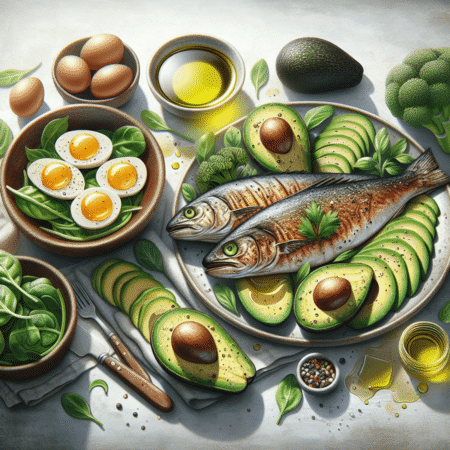
| One-quarter | Lean protein | chicken, eggs, Greek yogurt, tofu, beans, fish |
| One-quarter | High-fiber carbs | oats, quinoa, brown rice, sweet potato, whole-grain pasta |
This method fits many eating patterns that perform well in real life, including Mediterranean and DASH styles. Some people also do well with time-restricted eating (a daily eating window). The best plan is the one you can repeat for months, not a week.
Use the plate rule to eat less without feeling deprived
Start by choosing your protein, then build the rest around it. If breakfast is often a weak spot, make it simple: eggs with fruit, Greek yogurt with berries, or tofu scramble with vegetables. At lunch and dinner, keep vegetables visible and easy to grab, even if they are frozen or pre-cut.
Flavor makes consistency easier. Use herbs, spice blends, salsa, mustard, citrus, and vinegar-based dressings. They add punch without many calories. Save refined sweets and sugary drinks for planned moments, not daily defaults. You do not need to ban them, but you do need boundaries that you control.
Pick an eating style you can keep: Mediterranean, DASH, plant-forward, or time-restricted eating
Mediterranean-style eating centers on vegetables, beans, fruit, olive oil, whole grains, and fish. It often feels less restrictive and is easy to scale up for families.
DASH focuses on fruits, vegetables, whole grains, and low-fat dairy, with limits on sodium. It is a strong fit if blood pressure is a concern.
Plant-forward eating keeps plants as the main event, with meat as optional. It can cut calories naturally because fiber rises fast.
Time-restricted eating can help some people limit grazing by using an eating window. It still requires balanced meals. If you skip protein and then “make up for it” at night, results often stall.
Move in a way that protects muscle and supports fat loss
Exercise helps weight loss, but its bigger job is helping you keep the weight off. Strength training protects muscle during a calorie deficit. More muscle also makes day-to-day life easier, from carrying groceries to climbing stairs. Daily movement also supports appetite control and mood, which makes eating habits easier to maintain.
You do not need long workouts. You need repeatable sessions, plus more steps across the day. If you sit most of the time, think of walking as “daily maintenance,” like brushing your teeth. It is simple, not fancy, and it works.
A simple weekly workout plan that works for beginners
A basic week can look like this:
- Strength training 2 to 3 days: squat, hinge, push, pull, carry (for example, sit-to-stand, hip hinge with a dumbbell, push-ups on a counter, rows with a band, farmer carries).
- Cardio 2 days: 20 to 30 minutes at a steady pace, where you can talk in short sentences.
- Daily walking: start with what you can do, then add 5 to 10 minutes per day each week.
Home options count. Bodyweight, resistance bands, and adjustable dumbbells can cover the basics. Start smaller than you think you need, then add a few reps or a few minutes each week.
Sleep, stress, and alcohol: the hidden factors that can stall weight loss
Most adults need 7 to 9 hours of sleep. When sleep is short, hunger tends to rise and cravings get louder. Stress can push eating toward quick comfort foods, and alcohol adds calories while lowering food control later in the night.
Three actions that help quickly are: set a consistent bedtime, use a 15-minute wind-down routine (dim lights, light stretch, no work email), and set a drink limit plan before social events. For long-term success, the CDC’s tips for keeping weight off highlight routines that support maintenance, not short bursts of effort.
Conclusion
If you want to lose weight and keep it off, focus on the repeatable basics: a small calorie deficit, protein and fiber at most meals, the plate method, strength training 2 to 3 times per week, daily steps, and sleep that you protect like an appointment. Consistency beats intensity, because you can keep showing up even when life is messy.
Pick one change for the next 7 days and make it easy to complete. After it feels normal, add the next change. If you are pregnant, under 18, or managing a medical condition (or considering weight loss medication), speak with a clinician for a plan that fits your health and risks.