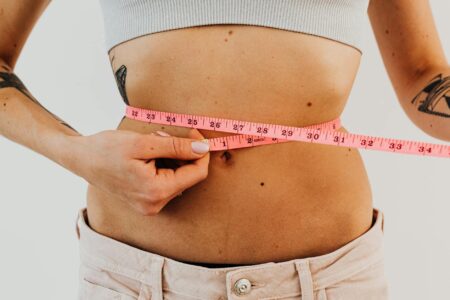

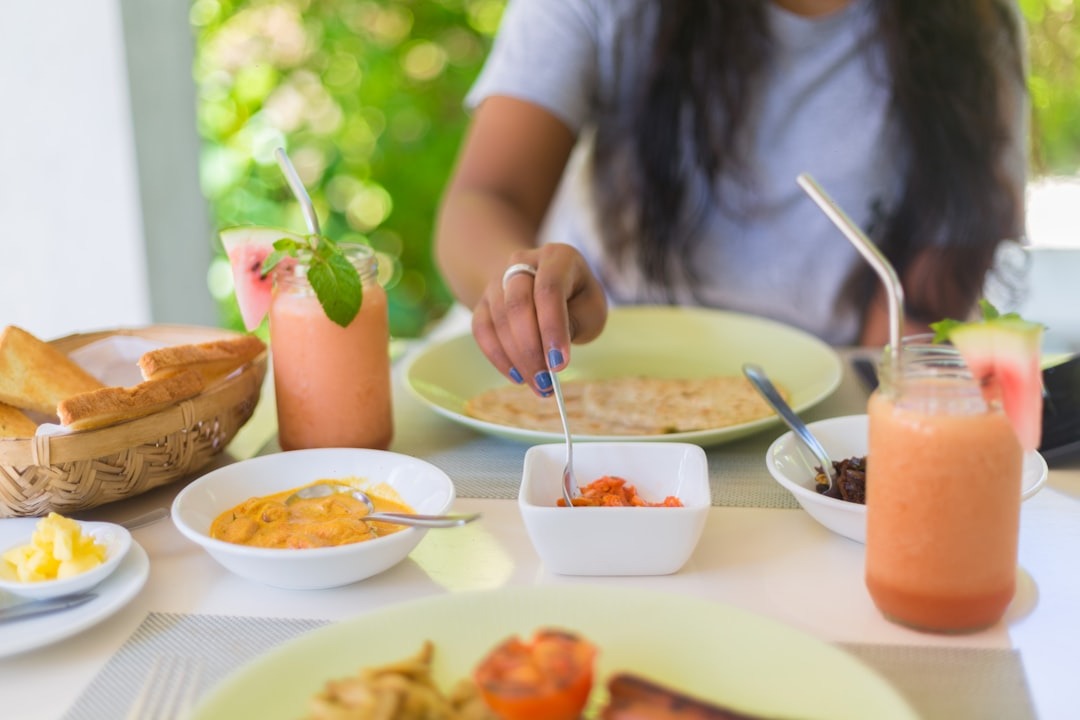


Losing body fat does not require extreme dieting or starvation. The most effective and sustainable results come from well-structured
diet meal plans for fat loss that support your health, control calories, and fit into your daily routine.
When done correctly, meal planning helps you lose fat, maintain muscle, and keep the weight off long term.
What Is Fat Loss and Why Meal Planning Matters
Fat loss happens when your body uses stored fat for energy due to a consistent
calorie deficit.
However, eating too little can slow metabolism, increase hunger, and lead to muscle loss.
A proper fat loss meal plan helps you:
- Control calorie intake without starvation
- Eat enough protein to protect muscle mass
- Stay full and energized throughout the day
- Maintain consistency over time
Core Principles of Diet Meal Plans for Fat Loss
1. Moderate Calorie Control
Fat loss requires eating fewer calories than your body burns, but extreme restriction is counterproductive.
Health experts recommend a moderate deficit for sustainable weight loss, as explained by the
Mayo Clinic.
2. High Protein Intake
Protein plays a key role in fat loss. It preserves muscle, boosts metabolism, and reduces hunger.
According to
Harvard Health,
adequate protein intake improves body composition during weight loss.
3. Balanced Macronutrients
Effective fat loss meal plans include a balance of:
- Protein – muscle repair and satiety
- Carbohydrates – energy for daily activities
- Healthy fats – hormone and nutrient support
4. Whole and Minimally Processed Foods
Diets based on whole foods are easier to sustain and support long-term fat loss.
Research summarized by
Verywell Health
shows that whole foods help regulate appetite naturally.
Best Foods to Include in Fat Loss Meal Plans
Lean Protein Sources
- Eggs
- Chicken breast
- Fish (salmon, tuna, sardines)
- Turkey
- Beans and lentils
- Greek yogurt
High-protein diets are linked to better fat loss outcomes, according to
Medical News Today.
Smart Carbohydrates
- Oats
- Brown rice
- Sweet potatoes
- Whole wheat bread
- Fruits
Healthy Fats
- Avocados
- Olive oil
- Nuts and seeds
- Fatty fish
Vegetables for Volume
- Spinach
- Broccoli
- Cabbage
- Carrots
- Tomatoes
Sample 7-Day Diet Meal Plan for Fat Loss
Day 1: Oatmeal + boiled eggs | Grilled chicken & brown rice | Fish & vegetables
Day 2: Whole wheat toast & eggs | Beans & plantain | Stir-fried vegetables with lean beef
Day 3: Smoothie with oats | Rice & grilled fish | Vegetable soup with chicken
Day 4: Eggs & fruit | Sweet potatoes & vegetables | Turkey stir-fry
Day 5: Oatmeal & banana | Chicken salad | Fish & vegetables
Day 6: Eggs & vegetables | Rice & beans | Grilled chicken & salad
Day 7: Smoothie bowl | Fish & sweet potatoes | Vegetable soup with protein
Meal Prep Tips for Sustainable Fat Loss
- Cook proteins in bulk
- Measure portions in advance
- Keep healthy snacks available
- Avoid sugary sauces
According to
EatingWell,
meal prepping improves consistency and long-term success.
How Exercise Supports Fat Loss
While diet is the main driver of fat loss, physical activity improves results by preserving muscle and increasing calorie burn.
The
CDC
recommends regular activity for healthy weight management.
Frequently Asked Questions (FAQ)
What is the best diet meal plan for fat loss?
The best plan is one that creates a calorie deficit, includes enough protein, and fits your lifestyle.
Can I lose fat without exercising?
Yes, fat loss is possible with diet alone, but combining diet and exercise produces better results.
How many calories should I eat for fat loss?
A daily deficit of 300–500 calories is commonly recommended, depending on your body size and activity level.
Are carbohydrates bad for fat loss?
No. Carbohydrates provide energy and can support fat loss when eaten in controlled portions.
How long does fat loss take?
Most people notice changes within 2–4 weeks of consistent dieting.
Final Thoughts
Diet meal plans for fat loss work best when they are balanced, realistic, and sustainable.
Focus on whole foods, adequate protein, portion control, and consistency to achieve long-term fat loss without sacrificing your health.