

 |
| PHOTO: FREEPIK |
In a world brimming with food choices, we are often left wondering what foods can truly provide us with the best health benefits. With countless diets, trends, and recommendations floating around, it can be difficult to decipher which foods genuinely nourish our bodies. So, what is the healthiest food we can eat?
When it comes to choosing the healthiest foods, the answer is not a one-size-fits-all approach. Health and nutrition are incredibly personal, and the best food for each individual depends on various factors like age, lifestyle, health conditions, and dietary preferences. However, certain foods stand out universally as packed with nutrients, health benefits, and disease-fighting properties. Let’s explore some of the healthiest foods on the planet and why they deserve a place on your plate.
1. Leafy Greens: The Powerhouses of Nutrition
Among the healthiest foods we can eat, leafy greens such as spinach, kale, Swiss chard, and arugula are nutritional powerhouses. These vegetables are low in calories yet incredibly rich in essential vitamins and minerals. They are packed with vitamin K, which is crucial for bone health, as well as vitamin A, which supports immune function and eye health. Leafy greens are also excellent sources of antioxidants, which help combat oxidative stress in the body.
Eating a variety of leafy greens can also improve heart health, as they are rich in fiber and compounds that reduce cholesterol. Notably, kale and spinach are especially high in iron and calcium, which are essential for muscle function and maintaining strong bones.
2. Berries: Tiny Fruits with Big Health Benefits
Berries, including blueberries, strawberries, raspberries, and blackberries, are a must-have in any health-conscious diet. These vibrant fruits are rich in antioxidants, particularly flavonoids, which are known for their anti-inflammatory properties. Antioxidants play a key role in protecting the body’s cells from damage caused by free radicals, which can contribute to aging and the development of chronic diseases.
Berries are also high in vitamin C, fiber, and other essential nutrients that support skin health, immune function, and digestive health. Including a variety of berries in your diet may help reduce the risk of heart disease, improve brain function, and even enhance athletic performance. You can enjoy them fresh, frozen, or as toppings in smoothies, oatmeal, or yogurt.
3. Nuts and Seeds: The Perfect Snack for Sustained Energy
Nuts and seeds, such as almonds, walnuts, chia seeds, flaxseeds, and sunflower seeds, are packed with healthy fats, protein, fiber, and essential vitamins and minerals. These snacks provide sustained energy throughout the day while helping to manage hunger and prevent overeating. The healthy fats in nuts and seeds, including omega-3 fatty acids, are vital for brain health, reducing inflammation, and supporting cardiovascular health.
Moreover, nuts and seeds are a great source of plant-based protein, which is beneficial for muscle repair and growth. Walnuts, in particular, have been linked to improved heart health due to their ability to lower bad cholesterol levels.
4. Avocados: A Nutrient-Dense Superfood
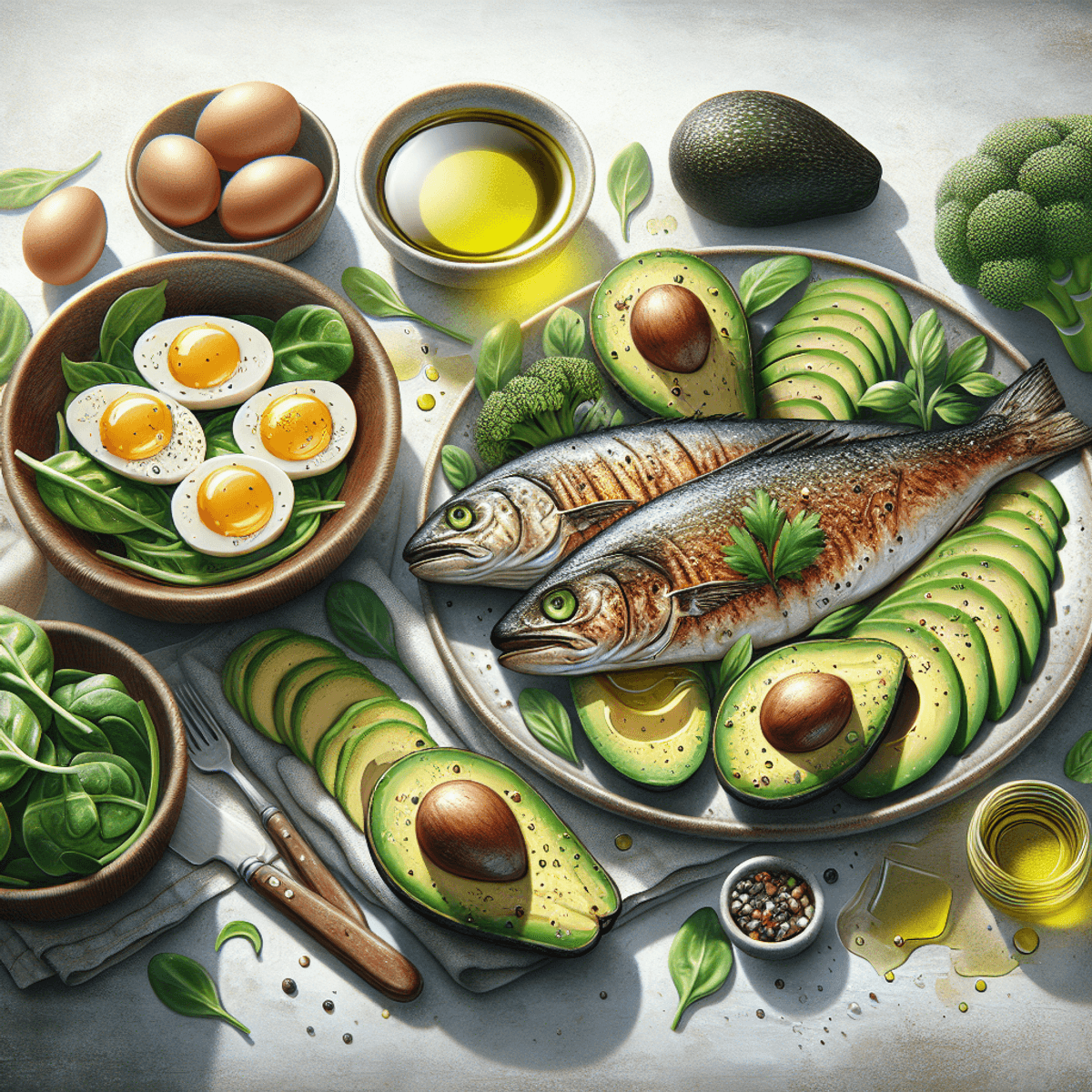
Avocados are often praised as one of the healthiest foods we can eat. They are an excellent source of monounsaturated fats, which are heart-healthy and help reduce bad cholesterol levels. Avocados are also rich in fiber, vitamins C, E, and K, and contain an array of essential minerals such as potassium and magnesium. This combination of nutrients helps to regulate blood pressure, support digestion, and promote healthy skin.
Additionally, avocados are known for their high content of lutein and zeaxanthin, antioxidants that protect the eyes from harmful light. This makes avocados not only a delicious and creamy addition to salads and sandwiches but also a potent food for eye health.
5. Whole Grains: Essential for Gut and Heart Health
Whole grains, including quinoa, brown rice, oats, barley, and whole wheat, are integral to a healthy diet. Unlike refined grains, which have been stripped of their beneficial fiber, whole grains contain the entire grain kernel, providing a wealth of nutrients that support overall health.
Whole grains are rich in fiber, which is essential for digestive health, regulating blood sugar levels, and preventing constipation. Fiber also contributes to heart health by lowering cholesterol levels and improving blood vessel function. Quinoa, a popular whole grain, is a complete source of protein, making it an excellent choice for vegetarians and vegans.
6. Fish: A Source of Lean Protein and Omega-3 Fatty Acids
Fatty fish, such as salmon, mackerel, sardines, and trout, are packed with high-quality protein and omega-3 fatty acids, which are essential for heart and brain health. Omega-3 fatty acids have been shown to reduce inflammation, improve cognitive function, and lower the risk of heart disease and stroke. Regular consumption of fatty fish may also support eye health and reduce the risk of chronic diseases such as diabetes and arthritis.
When choosing fish, opt for wild-caught varieties whenever possible, as they tend to have a higher nutritional profile compared to farmed fish. If fresh fish is not available, frozen options are also a great choice.
7. Legumes: Plant-Based Powerhouses
Legumes, such as lentils, chickpeas, beans, and peas, are an excellent source of plant-based protein, fiber, vitamins, and minerals. They are particularly beneficial for individuals following vegetarian or vegan diets, as they provide many of the nutrients typically found in animal products, such as iron and zinc.
The high fiber content in legumes promotes digestive health and helps regulate blood sugar levels, making them an ideal food for managing diabetes. Additionally, the protein in legumes supports muscle health and tissue repair. Consuming a variety of legumes regularly may help lower cholesterol, reduce the risk of heart disease, and promote weight loss.
8. Sweet Potatoes: A Nutrient-Rich Root Vegetable
Sweet potatoes are a nutritious and versatile root vegetable that offers a range of health benefits. They are rich in complex carbohydrates, making them a great source of sustained energy. Sweet potatoes are also high in vitamin A (in the form of beta-carotene), which is essential for eye health, immune function, and skin health.
In addition to their high vitamin content, sweet potatoes are packed with fiber, which supports digestion and helps regulate blood sugar levels. Their antioxidants, particularly anthocyanins, may also help reduce inflammation and protect against chronic diseases such as heart disease and cancer.
9. Yogurt: A Probiotic-Rich Dairy Product
Yogurt, particularly varieties that contain live and active cultures, is a fantastic addition to a healthy diet. It is rich in calcium, which supports strong bones and teeth, and is a great source of protein, making it an ideal snack or breakfast option. The probiotics in yogurt are beneficial for gut health, as they help maintain a healthy balance of bacteria in the digestive system.
Regular consumption of probiotic-rich yogurt has been linked to improved digestion, enhanced immune function, and better weight management. Opt for plain, unsweetened yogurt to avoid added sugars, and consider adding fresh fruits or a drizzle of honey for natural sweetness.
10. Olive Oil: A Healthy Source of Fat
Olive oil, particularly extra virgin olive oil, is a staple of the Mediterranean diet and is renowned for its health benefits. It is a rich source of monounsaturated fats, which have been shown to reduce the risk of heart disease and lower bad cholesterol levels. Olive oil is also packed with antioxidants, including vitamin E, which protect cells from damage.
The anti-inflammatory properties of olive oil may help reduce the risk of chronic conditions such as arthritis, diabetes, and certain cancers. Incorporating olive oil into your diet, whether as a dressing, cooking oil, or in smoothies, is an easy way to boost the healthfulness of your meals.
Conclusion: A Holistic Approach to Healthful Eating
When it comes to eating for optimal health, focusing on a variety of nutrient-dense foods is key. Leafy greens, berries, nuts, seeds, whole grains, fatty fish, legumes, sweet potatoes, yogurt, and olive oil all offer unique health benefits that can support everything from heart health to digestion and immune function.
Rather than adhering to a restrictive or trendy diet, aim to incorporate these whole, minimally processed foods into your daily meals. Consuming a diverse range of these nutritious foods will provide you with a wealth of vitamins, minerals, antioxidants, and healthy fats that support long-term well-being.
Remember, the healthiest food is not a single item, but rather a balanced and varied approach to eating that prioritizes nutrient-dense, whole foods. By making mindful choices and eating with intention, you can enjoy a diet that promotes lasting health, vitality, and longevity.
For further reading on topics like nutrition, health benefits, and food, check out the following resources:
Nutrition and Health Benefits of Leafy Greens
The Power of Berries in a Balanced Diet
Why Omega-3 Fatty Acids Matter
Best Sources of Plant-Based Protein
Top Superfoods for Skin Health
Understanding Whole Grains: Why They Matter
Heart-Healthy Fish to Include in Your Diet
The Benefits of Probiotics in Yogurt
How Olive Oil Supports Overall Health
Nutritional Benefits of Sweet Potatoes
By embracing these foods, you’ll be on your way to a healthier and more vibrant lifestyle!
